
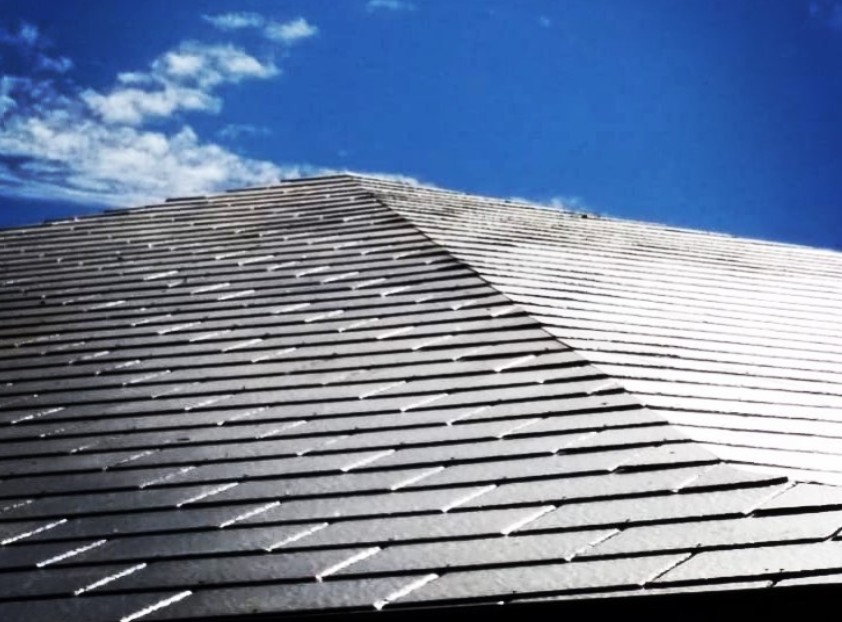
Belgian-made SVK fibre cement slate offers the look of traditional roofing slate with a different set of practical advantages. Here’s what it is, how it differs from natural slate, and when it makes sense.
Not every roof restoration is a candidate for natural slate. Sometimes the budget doesn’t stretch to it. Sometimes the structure won’t carry the weight. Sometimes a homeowner simply wants the look of slate without the full cost of the real thing. SVK fibre cement slate is one of the better answers to that problem.
We’re currently completing an SVK installation and will be publishing a full project case study shortly. In the meantime, here’s what you need to know about the product.
What Is SVK?
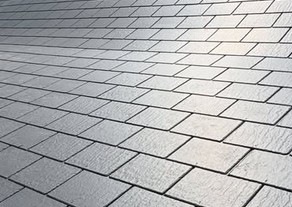
SVK is a compressed fibre cement slate manufactured in Belgium. It’s sometimes referred to as synthetic slate or artificial slate, terms used broadly for man-made roofing products designed to replicate the look of natural stone.
SVK is one of the better-regarded products in that category, using high-quality fibres in its manufacturing process, which contributes to the strength and consistency of the finished product.
Because the slates are precision-fabricated, each tile comes out to a uniform thickness, meaning no preliminary grading is required on site before installation, unlike natural slate where individual tiles can vary and need sorting.
The surface is finished with a double layer of acrylic-based coating. This does two things: it gives the slate a smooth, clean appearance, and it makes the surface highly resistant to moss growth, a practical advantage in Sydney’s coastal environment where organic growth on roofing materials is a real issue. The coating also contributes to low water absorption, which helps with durability over time.
SVK is available with textured faces and riven edges, which give a close match to the look of natural slate. Both rectangular and diamond formats are available, allowing for traditional installation patterns where the design calls for it.
How Does SVK Differ From Natural Slate?
The key differences come down to material, weight, and longevity.
Natural slate is quarried stone. It’s dense, heavy, and, when sourced from a good quarry, can last well over a century. It’s also the material most heritage planners and conservation guidelines default to when specifying replacement roofing on period homes.
SVK is manufactured. It’s lighter than natural slate, which can be an advantage on roofs where the existing structure isn’t rated to carry the full load of stone. The precision fabrication also means a more consistent, uniform installation, each tile behaves the same way, which simplifies the process compared to working with natural stone.
The trade-off is longevity. SVK carries a solid service life, but it won’t match the 80 to 100-plus years you’d expect from premium natural slate like Glendyne or Welsh slate.
When Does Synthetic Slate Make Sense?
SVK is worth considering in a few specific situations.
- Where the roof structure has load limitations. Older homes sometimes have rafters or battens that aren’t rated for the full weight of natural slate. Fibre cement is significantly lighter, which can make it the practical choice without requiring structural upgrades.
- Where budget is a constraint. SVK is generally more cost-effective than natural slate. For homeowners who want the aesthetic without the full outlay of a natural slate re-roof, it’s a reasonable middle ground.
- Where the property isn’t heritage-listed. On listed properties or those within conservation areas, natural slate is almost always required under Northern Beaches Council guidelines. For properties without those restrictions, SVK gives more flexibility.
- Where moss and organic growth are a concern. The acrylic coating on SVK slates actively resists moss. On coastal and leafy suburban properties where this is an ongoing maintenance issue, that’s a meaningful practical advantage over untreated natural slate.
- Where a uniform finish is preferred. Because SVK is manufactured to consistent dimensions, the installed result is very even and regular. Some homeowners prefer this over the slight natural variation you get with quarried stone.
What SVK Slate Is Not
It’s worth being clear: SVK is not a substitute for natural slate in every situation. On a Federation or Edwardian home with heritage restrictions, it won’t satisfy council requirements. On a roof that will still be standing in 80 years, natural slate is the better long-term investment. SVK is a good product for the right application, it’s not a universal replacement.
Our Work With SVK Slate
We’re currently completing an SVK installation and will be publishing a full project case study shortly. That article will cover the specifics: the property type, why SVK was selected over natural slate for this job, the installation process, and the finished result.
If you’re weighing up natural slate against SVK for your own roof, we’re happy to give you a straight answer based on your specific property.
Call us on 0431 593 625 or Contact us here
Frequently Asked Questions About SVK Fibre Cement Slate
What is SVK fibre cement slate?
SVK is a compressed fibre cement slate manufactured in Belgium. Sometimes called synthetic slate or artificial slate, it’s designed as a man-made alternative to natural roofing slate, offering a similar appearance with some practical differences in weight, consistency, and surface performance. SVK uses high-quality fibres in its production, which contributes to the strength and uniformity of the finished tile.
How does SVK compare to natural slate?
Natural slate is quarried stone and can last well over a century when properly installed. SVK is a manufactured product with a shorter but still substantial service life. The main practical advantages of SVK over natural slate are its lighter weight, uniform thickness, and the acrylic coating that resists moss and reduces water absorption. Natural slate, particularly premium grades like Glendyne or Welsh slate, generally has the edge on longevity.
Is SVK suitable for heritage homes?
Properties that are heritage-listed or sit within a conservation area under Northern Beaches Council, or similar planning bodies, will typically require natural slate as a replacement material. If your home has heritage restrictions, natural slate is almost always the required option. For unrestricted properties, SVK is a legitimate choice.
Why does SVK resist moss growth?
SVK slates are finished with a double layer of acrylic-based coating. This surface treatment makes the slate resistant to moss and organic growth, which is a meaningful advantage in Sydney’s coastal environment where moisture and shade can accelerate that kind of buildup on roofing materials.
What sizes and styles does SVK come in?
SVK is available in rectangular and diamond formats, with textured faces and riven edges that give a close match to the appearance of natural slate. The precision fabrication means tiles come to a consistent thickness, so no on-site grading is required before installation.
Is SVK lighter than natural slate?
Yes. Fibre cement is significantly lighter than quarried stone. This makes SVK worth considering on older homes where the roof structure, rafters, battens, or the frame generally, may not be rated to carry the full load of natural slate without reinforcement.
How long does SVK fibre cement slate last?
SVK carries a solid service life, though it won’t match the 80 to 100-plus years achievable with premium natural slate properly installed. The double acrylic coating and low water absorption help protect the tiles over time. Actual lifespan will depend on installation quality, exposure conditions, and maintenance.
Can SVK be installed on any roof pitch?
SVK has minimum pitch requirements like any slate or tile product. Your roofer should confirm suitability based on your specific roof geometry before committing to the material. We assess this as part of our initial inspection.
Does Slate Roof Restorations install SVK?
Yes. We work with both natural slate and SVK depending on what’s right for the property. If you’re weighing up the two options, we can give you a straight assessment based on your roof structure, planning status, and budget. Call us on 0431 593 625 or visit slateroofrestorations.com.au.

Our Services
Get A Free Quote
Get in touch today for a free, no-obligation quote on your roofing needs.